
هي السلام
هي السلام
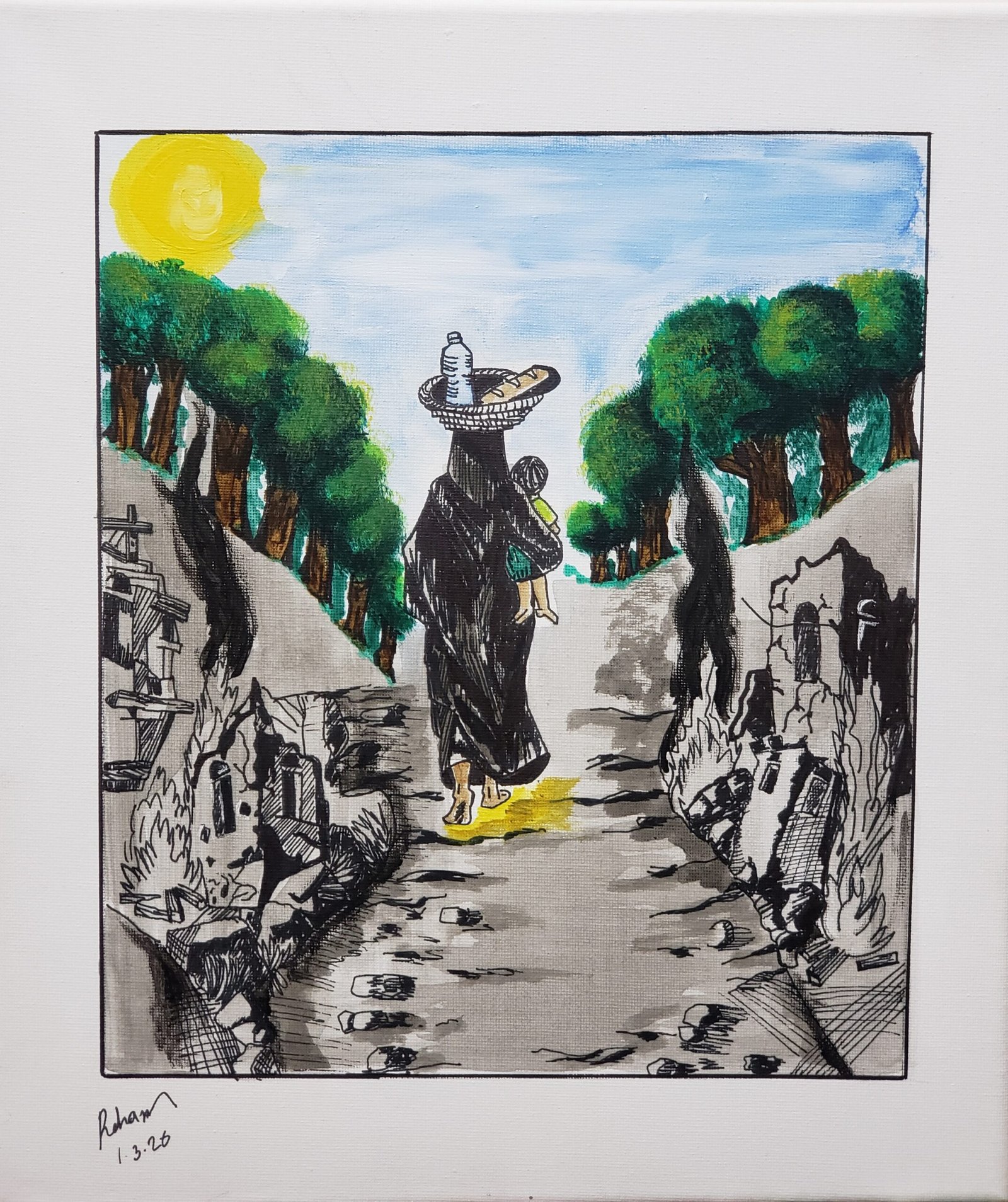
ليستِ المرأةُ ظلًّا عابرًا في حكايةِ الحرب، بل هي الحكايةُ كلُّها حين يُمحى العنوانُ وتبقى التفاصيل. هي التي تحملُ الوطنَ في طرفِ منديل، وتخبّئُ الخبزَ في قلبِها، وتخرجُ إلى يومٍ مثقوبٍ بالقذائف لتعودَ مساءً بحفنةِ أمل. إذا ضجَّ الرصاصُ كانت صمتًا حكيماً، وإذا انكسرتِ البيوتُ كانت بيتًا يمشي على قدمين.
في زمنِ الحرب، تُجَرَّدُ الأشياءُ من أسمائها؛ غير أنّ المرأةَ تبقى الاسمَ الأخير للسكينة. تفتّشُ عن لقمةِ العيش كما تفتّشُ عن طفلٍ ضلَّ طريقَه، تمدُّ يدَها إلى العملِ ولو كان شاقًّا، وتزرعُ في ترابٍ خائفٍ بذورَ غدٍ لا تراهُ إلا بعينِ اليقين. تقفُ في طوابيرِ الخبزِ كأنها شجرةٌ صابرة، جذورها في الألم وأغصانُها في الدعاء.
ليست معاناتُها صخبًا يُسمَع، بل صبرًا يُرى في ارتجافِ الأصابعِ وهي تُحصي ما تبقّى من نقود، وفي ابتسامةٍ تُخفي خلفها ليلًا طويلًا من القلق. تحملُ أبناءَها كما يحملُ الفجرُ ضوءَه: لا يشتكي من ظلامٍ سبقَه، بل يُبادرُ إلى طرده. تُربّي أجيالًا على أن الكرامةَ خبزٌ آخر، وأن العلمَ درعٌ لا يُثقَب، وأن السلامَ ليس هدنةً عابرة بل سلوكًا يوميًّا يبدأ من البيت.
وحين تتساقطُ المدنُ من خرائطها، تُعيدُها المرأةُ إلى مكانها في قلوبِ الصغار. تحكي لهم عن حقولٍ كانت خضراء، وعن شرفاتٍ كانت تُطلُّ على بحرٍ مطمئن، لتقول لهم إن الخرابَ مرحلةٌ، وإن البناءَ وعد. هي المدرسةُ الأولى حين تُغلَقُ المدارس، وهي المستشفى حين تُغلقُ الأبواب، وهي الذاكرةُ حين يحاولُ النسيانُ أن ينتصر.
لا تبحثُ عن مجدٍ شخصيّ، بل عن نهارٍ آمنٍ يمرُّ بلا صفاراتِ إنذار. تريدُ لقمةً نظيفة، ودفترًا جديدًا، وسقفًا لا يهتزُّ فوق رؤوسِ أطفالها. ومع ذلك، تمنحُ العالمَ ما هو أسمى: تمنحه معنى البقاء. فلو أنّ الحربَ نارٌ، فالمرأةُ ماءٌ لا يكلّ من الإطفاء؛ ولو أنّ الحربَ ريحٌ عاتية، فالمرأةُ جبلٌ لا يلين.
هي السلامُ لأنّها تختارُ الحياةَ كلَّ صباح، وتُصرُّ على أن تُربّي في العتمةِ شمسًا. هي السلامُ لأنّها، رغم الخسارات، لا تُورِّث أبناءَها مستقبل، بل تُورِّثهم القدرةَ على البدء من جديد. وفي كلِّ بيتٍ نجا، وفي كلِّ طفلٍ تعلّم، وفي كلِّ رغيفٍ قُسِمَ بعدل تتجلّى المرأةُ وطنًا صغيرًا يقاومُ ليصيرَ وطنًا كبيرًا آمنًا.
هي السلام، لأنّها لم تغِب..
A woman is not a passing shadow in the story of war; she is the whole story when the title is erased and only the details remain. She carries the homeland in the corner of a handkerchief, hides bread within her heart, and steps into a day pierced by shells only to return at dusk with a handful of hope. When gunfire roars, she becomes wise silence; when houses collapse, she becomes a house walking on two feet.
In times of war, things are stripped of their names; yet a woman remains the final name of tranquility. She searches for a morsel of bread as she would search for a lost child, stretching her hand toward work no matter how hard it may be, and planting in frightened soil the seeds of a tomorrow she sees only with the eye of certainty. She stands in bread lines like a patient tree, her roots in pain and her branches in prayer.
Her suffering is not a noise to be heard, but a patience to be seen in the trembling of her fingers as she counts what remains of money, and in a smile that hides a long night of worry. She carries her children as dawn carries its light: it does not complain of the darkness that preceded it, but hastens to dispel it. She raises generations to believe that dignity is another kind of bread, that knowledge is an armor that cannot be pierced, and that peace is not a fleeting truce but a daily practice that begins at home.
When cities fall from their maps, a woman restores them to their place in the hearts of the young. She tells them of fields that were once green, of balconies that once overlooked a tranquil sea, to teach them that ruin is only a phase and that rebuilding is a promise. She is the first school when schools are closed, the hospital when doors are shut, and the memory when forgetfulness tries to prevail.
She seeks no personal glory, only a safe day that passes without sirens. She longs for clean bread, a new notebook, and a roof that does not tremble above her children’s heads. Yet she gives the world something greater: the meaning of survival. If war is fire, a woman is water that never tires of extinguishing it; if war is a raging wind, a woman is a mountain that does not bend.
She is peace because she is present.